
Revision Rhinoplasty
“Revision rhinoplasty is not a second attempt in aesthetics, but the right step toward achieving the best outcome.”

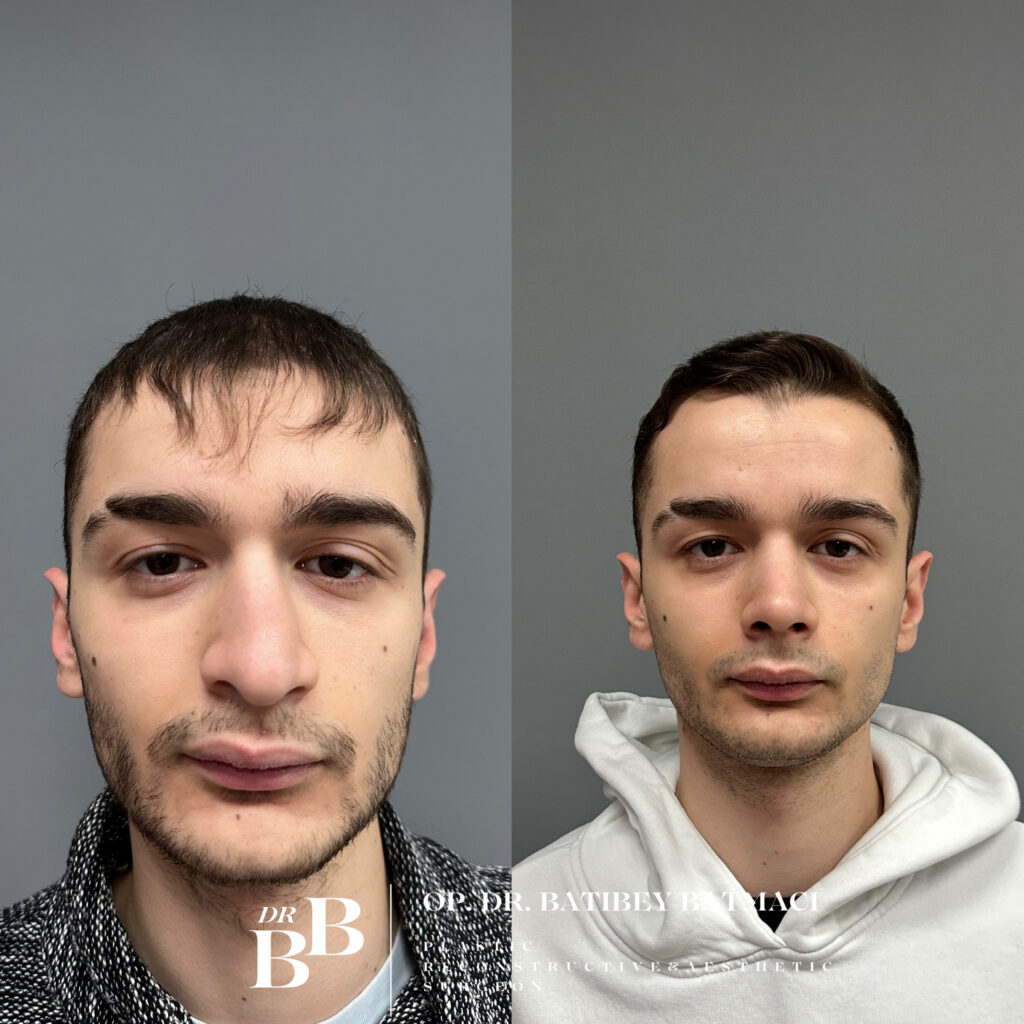


What is Revision Rhinoplasty?
Revision rhinoplasty is a secondary corrective nasal surgery performed for individuals who have previously undergone rhinoplasty but are dissatisfied with the results or have experienced complications afterward. This procedure is carried out to improve the nasal appearance and, when necessary, to resolve breathing difficulties.
It is performed to correct nasal deformities that were not addressed in the first surgery, have changed over time, or have newly developed. Revision rhinoplasty focuses not only on aesthetic concerns but also on functional issues, aiming to achieve a nose that is both beautiful and healthy.
How is Revision Rhinoplasty Performed?
During revision rhinoplasty, advanced technologies such as the piezo surgical device may be used. The piezo device allows the bones to be shaped precisely and in a controlled manner with ultrasonic vibrations. Thanks to this technology, surrounding soft tissues remain unharmed, and post-operative bruising and swelling are minimized.
Performed under general anesthesia, the surgery involves the surgeon carefully correcting the nasal structures while taking into account any damage or changes from the previous operation. Piezo surgery is particularly valuable in revision procedures, as it enables highly precise adjustments and contributes to more successful outcomes.
Day 1
Post-operative swelling, bruising, and mild discomfort are normal. A nasal splint or internal tampon may be in place, and it is important to rest and keep your head elevated.
Day 7
Swelling and bruising gradually subside, and the splint and nasal packing are usually removed within 5–7 days. Patients can begin resuming daily activities; however, it is important to avoid any impact or pressure on the nose.
1st Month
The shape of the nose begins to take form; however, the tissues are still in the healing process. Heavy exercise and any pressure on the nose should be strictly avoided.
1st Year
The final shape of the nose becomes evident, swelling completely subsides, and the nose achieves full recovery both aesthetically and functionally.
Frequently Asked Questions (FAQ)
For All Questions Click Here.
How long does a revision rhinoplasty surgery take?
Revision rhinoplasty can be more complex than the initial surgery and typically lasts between 2 to 4 hours. The duration of the operation varies depending on the condition of the previous surgery and the issues that need to be corrected.
How long does it take to recover after the surgery?
The recovery process for revision rhinoplasty may be slightly longer. Initial swelling and bruising typically subside within 1–2 weeks, while complete healing and the final shape of the nose may take up to one year. Most patients are able to return to their social life within 2–3 weeks.
How does revision rhinoplasty affect my breathing?
During revision rhinoplasty, any breathing problems that may have arisen from the previous surgery are also addressed. By restructuring the nasal framework, both aesthetic refinement and functional improvement are achieved.
