
Rhinoplasty
“Through rhinoplasty, we reshape both the aesthetic appearance and the breathing function of our patients in the most natural way.”
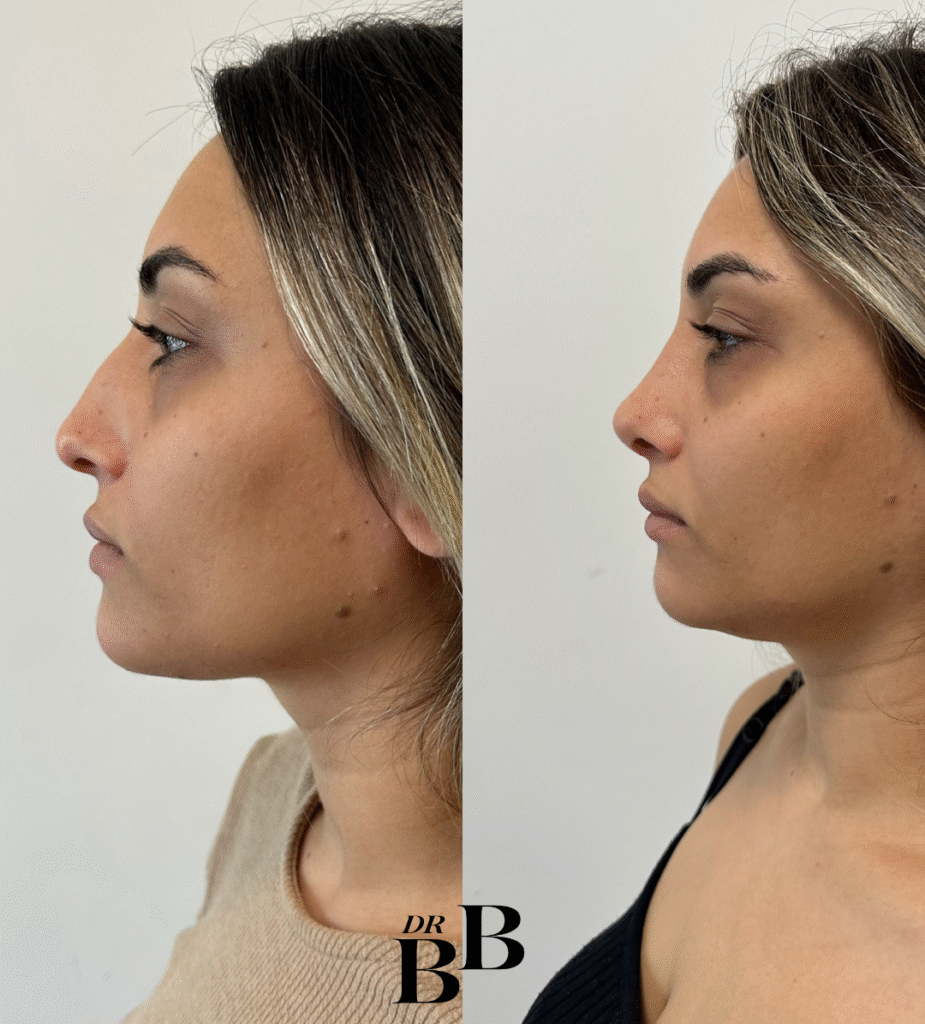


What is rhinoplasty?
Rhinoplasty is an aesthetic and medical operation performed to correct the shape and function of the nose. It can be applied both to improve the appearance of the nose and to resolve breathing problems. While some individuals seek rhinoplasty to reduce or enlarge the size of the nose or to straighten a nasal hump, others undergo the procedure to correct congenital deformities or irregularities caused by trauma.
In addition, functional rhinoplasty can be performed for patients who experience difficulty breathing due to internal nasal deviations or obstructions. In this way, alongside addressing aesthetic concerns, a significant improvement in overall health and well-being is also achieved.
Rhinoplasty surgery is usually performed under general anesthesia, and although the recovery period varies from person to person, most patients can return to their normal lives within a few weeks. Our goal is to achieve a nose that is natural, functional, and in harmony with your facial features.
How is Rhinoplasty Surgery Performed?
Rhinoplasty surgery involves reshaping the bone and cartilage structures of the nose to improve both its form and function. Today, rhinoplasty performed with the piezo surgical device allows for precise and controlled cutting of the nasal bones. Since the piezo device operates with ultrasonic vibrations, it minimizes the risk of damage to surrounding soft tissues and blood vessels, thereby reducing bruising and swelling after the surgery.
The surgery is usually performed under general anesthesia, and with piezo technology, the surgeon can shape the nasal structures with greater precision and aesthetic refinement. This method accelerates the healing process and offers a more comfortable recovery experience. Our goal is to achieve a nose that is both harmoniously balanced with your facial features and supportive of healthy breathing function.
Day 1
In the first days after surgery, patients may experience mild pain, swelling, and bruising around the nose. Internal splints or an external nasal cast may be placed, and during this period it is important to rest and keep the head elevated. Special care should be taken to ensure a comfortable sleep on the first night.
Day 7
Swelling and bruising begin to subside, and nasal splints or tampons are usually removed within 5–7 days. Most patients can return to their daily activities, but it is important to avoid any impact to the nose. Light exercise should also be avoided during this period.
1st Month
Swelling significantly decreases, and the shape of the nose becomes more defined. However, the nasal tissues are still in the healing process, so it is important to avoid heavy exercise and any pressure on the nose. Breathing functions usually return completely to normal during this stage.
1st Year
The final shape of the nose becomes apparent and the healing process is fully completed. Swelling subsides entirely, the nose attains its natural appearance, and functional recovery is achieved. Follow-up examinations are conducted during this period, after which the patient can fully resume normal daily life.
Frequently Asked Questions (FAQ)
For All Questions Click Here.
How long does a rhinoplasty surgery take?
Rhinoplasty is typically a procedure that lasts between 1.5 to 3 hours. The duration of the surgery may vary depending on the patient’s needs and the extent of the procedure to be performed.
How long does it take to recover after the surgery?
Initial swelling and bruising usually subside within about one week, but it may take between 6 months to 1 year for the nose to fully heal and achieve its final shape. Most patients are able to return to their social life within 1–2 weeks.
How does rhinoplasty affect my breathing?
Rhinoplasty is not only an aesthetic procedure but can also improve breathing problems. By correcting internal nasal deviations or obstructions, both the appearance and the function of the nose are enhanced.
